
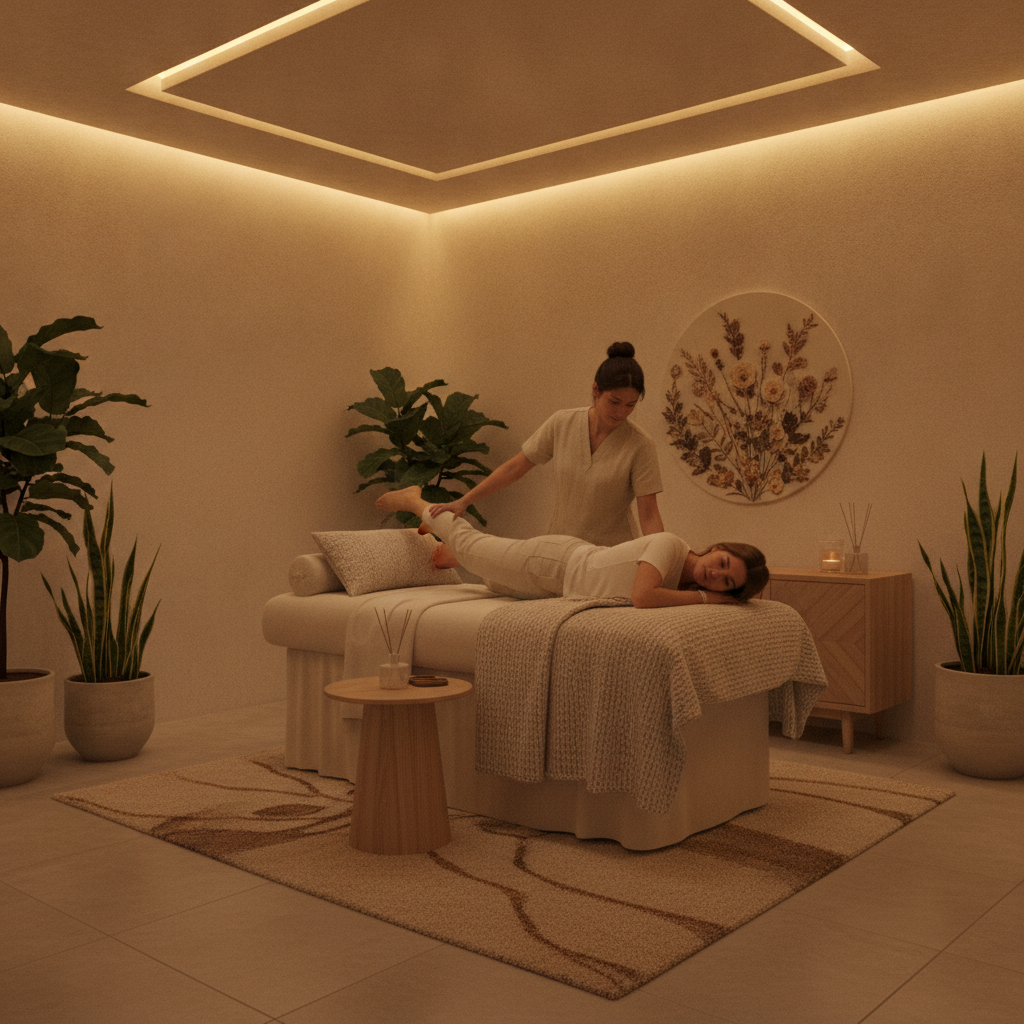
Back pain is a challenge that touches people from all walks of life, from small business owners who spend long hours on their feet to developers who sit at their desks for extended periods. If you’re searching for back pain treatment Naples FL residents trust, you’re likely hoping to avoid surgery and find real, lasting relief. The good news is that non-surgical solutions are more advanced and accessible than ever. Whether your pain is new or has been lingering for months, understanding your options can help you make confident decisions about your health. In this guide, we’ll explore the latest non-surgical treatments, what to expect from the process, and how to choose the right approach for your unique needs. By the end, you’ll have a clearer picture of how you can regain comfort, mobility, and control, without the need for invasive procedures.
Understanding the Causes of Back Pain
Back pain can arise from a wide range of causes, and pinpointing the source is often the first step toward effective relief. Common culprits include muscle strains, ligament sprains, herniated discs, arthritis, and even stress-related tension. For many people in this community, lifestyle factors such as sedentary work, repetitive movements, or heavy lifting play a significant role. Age-related changes in the spine can also contribute, as can conditions like spinal stenosis or degenerative disc disease.
It’s important to recognize that back pain isn’t always the result of a single injury or event. Sometimes, it develops gradually due to poor posture, weak core muscles, or cumulative wear and tear. Understanding the underlying cause helps guide the right treatment plan, whether you’re dealing with acute pain from a recent strain or chronic discomfort that’s been building over time.
If you’re unsure about the source of your pain, a thorough assessment by a healthcare professional is essential. They’ll consider your medical history, perform a physical exam, and may recommend imaging tests if needed. This comprehensive approach ensures that your treatment targets the root of the problem, not just the symptoms.
For those seeking a personalized evaluation and hands-on care, Ideal Physical Therapy offers expert guidance and tailored treatment plans to help you move forward with confidence.
How Non-Surgical Treatments Work
Non-surgical back pain treatments focus on addressing pain and restoring function without the risks and downtime associated with surgery. These approaches are designed to reduce inflammation, improve mobility, and strengthen the muscles that support your spine. The goal is to help you return to your daily activities with less discomfort and a lower risk of recurrence.
Common non-surgical options include physical therapy, manual therapy, therapeutic exercise, and modalities like heat, cold, or electrical stimulation. Depending on your diagnosis, your provider may also recommend lifestyle modifications, ergonomic adjustments, or targeted stretches to relieve pressure on the spine.
One of the key advantages of non-surgical care is its holistic approach. Rather than simply masking pain, these treatments aim to correct underlying imbalances and empower you with the tools to maintain your results. This can be especially valuable for small business owners and professionals who need to stay active and productive without lengthy recovery periods.
Ultimately, non-surgical treatments are highly individualized. Your provider will work with you to develop a plan that fits your goals, lifestyle, and the specific nature of your back pain.
Physical Therapy: The Cornerstone of Non-Surgical Relief
Physical therapy is often the first line of defense against back pain, and for good reason. Skilled therapists use a combination of hands-on techniques, targeted exercises, and education to help you regain strength, flexibility, and confidence in your movements. The process typically begins with a thorough assessment to identify the specific factors contributing to your discomfort.
Treatment may include manual therapy to release tight muscles and joints, therapeutic exercises to build core stability, and instruction on posture and body mechanics. Therapists also teach you how to modify daily activities to prevent flare-ups and promote long-term healing. For many in the region, the ability to receive personalized care and ongoing support makes physical therapy an attractive alternative to surgery or medication.
One of the greatest benefits of physical therapy is its focus on active participation. You’ll learn strategies to manage pain independently, which can be empowering and sustainable. Whether you’re a developer working at a desk or a business owner on your feet, physical therapy can help you adapt your environment and routines for better spinal health.
Manual Therapy Techniques Explained
Manual therapy is a specialized form of hands-on care used by physical therapists and other providers to address musculoskeletal pain and dysfunction. Techniques may include joint mobilizations, soft tissue massage, myofascial release, and trigger point therapy. Each approach is designed to improve movement, reduce muscle tension, and enhance circulation in the affected area.
For back pain, manual therapy can help restore normal alignment and relieve pressure on irritated nerves. It’s particularly effective for those with stiffness, muscle spasms, or limited mobility. Many people find that these techniques not only reduce pain but also improve their overall sense of well-being.
Manual therapy is often combined with exercise and education for best results. Your provider will tailor the techniques to your specific needs, ensuring a safe and effective experience. If you’re new to manual therapy, don’t hesitate to ask questions and share feedback throughout the process, open communication is key to achieving your goals.
The Role of Therapeutic Exercise in Recovery
Therapeutic exercise is a cornerstone of non-surgical back pain management. These exercises are carefully selected to address your unique needs, whether that means improving flexibility, strengthening weak muscles, or enhancing balance and coordination. The right exercise program can help correct postural imbalances, reduce strain on your spine, and prevent future injuries.
For small business owners and professionals, a tailored exercise routine can fit seamlessly into a busy schedule. Your therapist may recommend stretches to do at your desk, core exercises to support your lower back, or gentle movements to ease stiffness after long periods of sitting or standing. Consistency is key, regular practice leads to lasting improvements in pain and function.
Therapeutic exercise isn’t just about physical gains. Many people find that staying active helps boost mood, reduce stress, and improve overall quality of life. If you’re looking for a proactive way to manage your back pain, a customized exercise plan is a smart investment in your health.
Lifestyle Changes That Support Back Health
While professional care is important, your daily habits play a crucial role in managing and preventing back pain. Simple changes can make a big difference, especially when incorporated consistently over time. For example, maintaining good posture at work, using ergonomic furniture, and taking regular breaks to stretch can help reduce strain on your spine.
Other helpful strategies include staying active, maintaining a healthy weight, and practicing stress management techniques like mindfulness or deep breathing. If your job involves heavy lifting or repetitive movements, learning proper body mechanics is essential to avoid injury. Even small adjustments, like adjusting your chair height or using a lumbar support pillow, can add up to significant relief.
For residents of the area, local resources such as community fitness classes, wellness workshops, and outdoor activities can provide additional support. Remember, back health is a lifelong journey, and every positive change counts.
Understanding Pain Management Options
Pain management is an important aspect of non-surgical back pain treatment. While the ultimate goal is to address the root cause of your discomfort, finding ways to manage pain in the short term can help you stay active and engaged in your recovery. Options range from over-the-counter medications to topical creams, heat and cold therapy, and relaxation techniques.
It’s important to use pain relief strategies as part of a comprehensive plan, not as a substitute for addressing underlying issues. Your healthcare provider can guide you on the safest and most effective options for your situation. For some, alternative therapies like acupuncture, yoga, or meditation may also provide relief.
If pain is interfering with your daily life or not improving with conservative measures, it’s a good idea to seek professional guidance. Early intervention can prevent minor issues from becoming chronic problems and help you return to your normal activities sooner.
When to Seek Professional Help
Knowing when to seek professional help is key to effective back pain management. While many cases of back pain improve with self-care and time, there are situations where expert evaluation is essential. If your pain is severe, persistent, or accompanied by symptoms like numbness, tingling, or weakness in your legs, don’t wait to consult a healthcare provider.
Other red flags include pain following a fall or injury, unexplained weight loss, fever, or loss of bladder or bowel control. These signs may indicate a more serious underlying condition that requires prompt attention. Even if your symptoms are mild, seeking professional guidance can help you avoid unnecessary delays and get on the path to recovery.
For those who are unsure where to start, local physical therapy clinics and wellness centers offer comprehensive assessments and personalized care. Early intervention not only speeds up recovery but also reduces the risk of chronic pain and long-term complications.
Comparing Non-Surgical Back Pain Treatment Options
With so many non-surgical options available, it can be helpful to compare the benefits and considerations of each approach. The table below provides a snapshot of common treatments, their advantages, and what to expect during the process. This overview can help you make informed decisions and discuss your preferences with your provider.
| Treatment | Benefits | Considerations |
|---|---|---|
| Physical Therapy | Personalized care, improves mobility and strength, addresses root causes | Requires commitment to exercises and regular sessions |
| Manual Therapy | Reduces pain, enhances flexibility, promotes relaxation | May need multiple treatments for best results |
| Therapeutic Exercise | Builds core strength, supports long-term health, prevents recurrence | Progress may be gradual; consistency is key |
| Pain Management (medications, modalities) | Provides short-term relief, supports participation in therapy | Should be used as part of a broader plan, not as a sole solution |
| Lifestyle Modifications | Reduces risk factors, supports ongoing back health | Requires ongoing attention and habit changes |
Every individual’s journey is unique, and the best results often come from a combination of these approaches. Work closely with your provider to develop a plan that fits your needs, preferences, and lifestyle.
What to Expect During Your Recovery Journey
Recovering from back pain is a process that requires patience, commitment, and a willingness to try new strategies. Most people experience gradual improvement over weeks or months, with occasional ups and downs along the way. Setting realistic goals and celebrating small milestones can help keep you motivated and focused.
Your recovery plan may include regular therapy sessions, home exercises, and lifestyle adjustments. Open communication with your provider is essential, don’t hesitate to share your progress, concerns, or any changes in your symptoms. This feedback allows your care team to fine-tune your plan and ensure you’re moving in the right direction.
Remember, setbacks are a normal part of the healing process. If you experience a flare-up, stay proactive and reach out for support as needed. With the right approach and resources, most people can achieve meaningful, lasting relief without surgery.
Finding the Right Provider for You
Choosing the right provider is a critical step in your back pain recovery. Look for professionals who specialize in non-surgical care and have experience treating a wide range of spinal conditions. A good provider will take the time to listen to your concerns, explain your options, and involve you in the decision-making process.
Ask about their approach to treatment, the types of therapies they offer, and what you can expect during your visits. It’s also helpful to inquire about their experience with cases similar to yours and their philosophy on patient education and empowerment. Feeling comfortable and supported by your care team can make a significant difference in your outcomes.
In this city, you’ll find a range of options, from physical therapy clinics to multidisciplinary wellness centers. Take the time to research your choices and don’t hesitate to schedule a consultation to discuss your needs and goals.
Key Takeaways
Non-surgical back pain relief is not only possible, it’s within reach for most people. By understanding the causes of your pain, exploring a variety of treatment options, and making positive lifestyle changes, you can take control of your health and return to the activities you love. Whether you’re a small business owner, a developer, or simply someone who wants to move freely again, the path to recovery starts with informed choices and the right support. Remember, lasting relief is a journey, one that’s best traveled with the guidance of experienced professionals and a commitment to your own well-being.