
If you’ve ever spent a restless night tossing and turning because of sciatica pain, you’re not alone. Nighttime discomfort is a common struggle for those dealing with sciatica, especially when searching for effective sciatica treatment Naples FL residents can trust. The pain can be relentless, making it difficult to find a comfortable position and leading to poor sleep quality. For small business owners, developers, and anyone who relies on a good night’s rest to stay focused and productive, this can be more than just a nuisance, it can impact daily life and work performance. Understanding why sciatica pain often worsens at night and learning practical, sleep-friendly strategies can make a world of difference. In this article, we’ll explore the root causes of nighttime sciatica pain, how your sleep habits and environment play a role, and actionable steps you can take to ease your discomfort and reclaim restful sleep. Whether you’re managing a busy schedule or simply want to wake up feeling refreshed, these insights are tailored for you.
Why Sciatica Pain Intensifies at Night
Many people notice their sciatica symptoms become more pronounced once the sun goes down. One reason is that lying down can put extra pressure on the sciatic nerve, especially if your mattress or sleeping position doesn’t provide enough support. Additionally, during the day, movement helps keep blood flowing and muscles loose, but at night, reduced activity can cause muscles to stiffen and nerves to become more sensitive. Hormonal changes and lower levels of natural painkillers in the body during sleep hours may also contribute to heightened pain perception. For those seeking nighttime pain relief strategies, understanding these factors is the first step toward better rest.
Common Triggers of Nighttime Sciatica Flare-Ups
Several factors can trigger or worsen sciatica symptoms at night. Poor posture throughout the day, especially from prolonged sitting or standing, can lead to muscle imbalances that become more noticeable when you finally lie down. Stress and anxiety, which often build up after a long day, may also increase muscle tension and nerve sensitivity. Environmental factors such as a room that’s too cold or a mattress that’s too firm or too soft can further exacerbate discomfort. Even dietary choices, like consuming caffeine or heavy meals before bed, can impact your body’s ability to relax and recover. By identifying and addressing these triggers, you can implement effective sciatica management tips to reduce nighttime pain.
Sleep Positions That Can Help Ease Sciatica
Your sleep position plays a significant role in managing sciatica pain overnight. Lying flat on your back with a pillow under your knees can help maintain the natural curve of your spine and reduce pressure on the sciatic nerve. Side-sleepers may benefit from placing a pillow between their knees to keep the hips aligned and prevent twisting of the lower back. It’s generally best to avoid sleeping on your stomach, as this can strain the spine and aggravate symptoms. Experimenting with different positions and pillow placements can help you discover what works best for your body. For those exploring innovative solutions, Ideal Physical Therapy offers additional approaches to support restful sleep and pain relief.
Mattress and Pillow Choices for Sciatica Relief
The right mattress and pillow can make a substantial difference for those with sciatica. A medium-firm mattress often provides the ideal balance of support and comfort, helping to keep your spine aligned while reducing pressure points. Memory foam or latex mattresses can contour to your body, offering targeted relief for sensitive areas. Pillows also matter: a supportive pillow under your head and, if needed, under your knees or between your legs can help maintain proper posture and minimize nerve irritation. Regularly evaluating your sleep setup is essential, especially if you notice increased discomfort. For more insights on when to seek professional advice, see Morning Stiffness and Back Pain: When Naples Patients Should Get Checked.
The Role of Evening Routines in Managing Pain
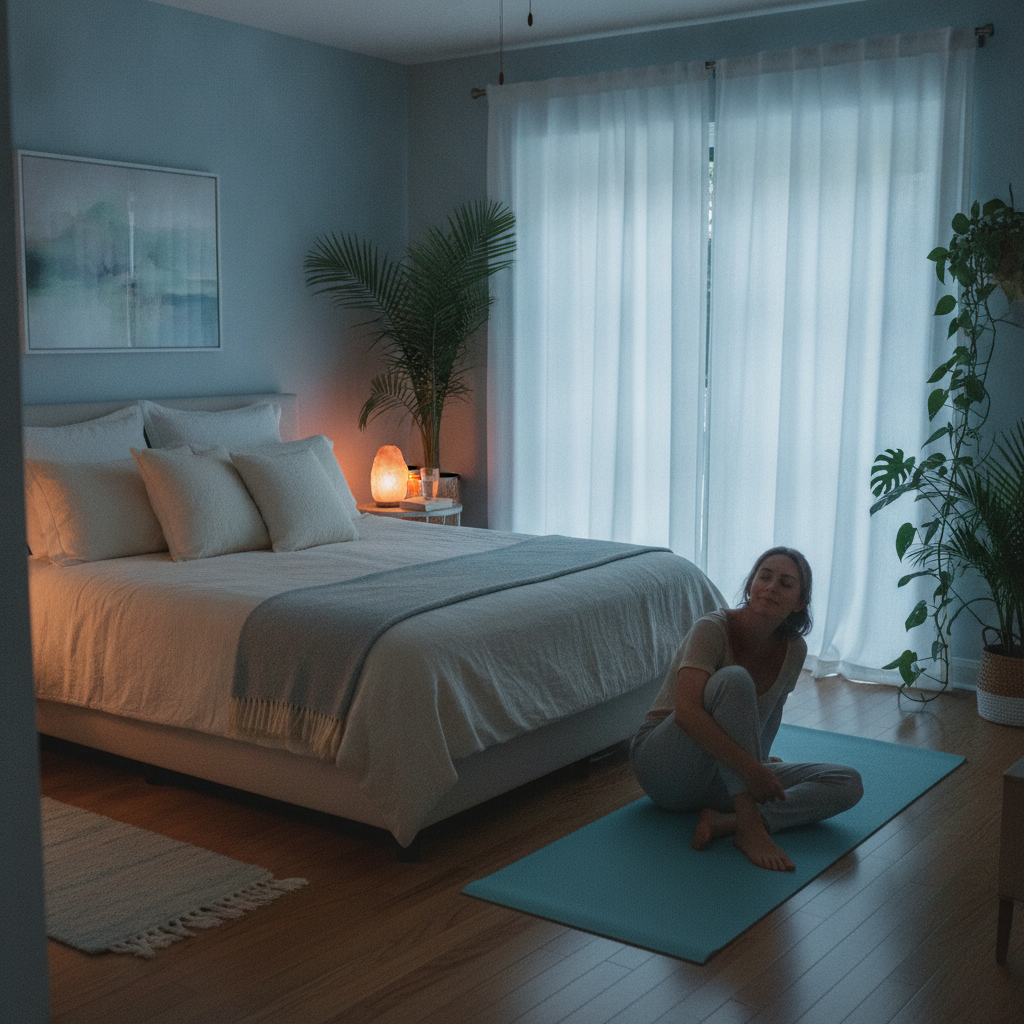
Establishing a calming evening routine can significantly impact your ability to manage sciatica pain at night. Gentle stretching, light yoga, or a short walk before bed helps loosen tight muscles and prepare your body for rest. Incorporating relaxation techniques such as deep breathing or guided meditation can reduce stress and lower your body’s pain response. Avoiding screens and bright lights an hour before bedtime helps regulate your natural sleep-wake cycle, making it easier to fall asleep. Creating a consistent routine signals your body that it’s time to wind down, which can lead to better sleep quality and less pain overnight. Even small changes to your nightly habits can yield noticeable improvements in comfort and restfulness.
How Stress and Mental Health Affect Sciatica at Night
Stress and mental health challenges can have a direct impact on sciatica pain, especially at night. When stress levels rise, the body’s muscles tend to tense up, which can increase pressure on the sciatic nerve. Anxiety and worry may also make it harder to relax and fall asleep, leading to a cycle of poor rest and heightened pain. Mindfulness practices, such as journaling or progressive muscle relaxation, can help break this cycle by calming the nervous system. Seeking support from friends, family, or a mental health professional can also be beneficial. Addressing both physical and emotional well-being is key to managing nighttime pain and improving overall quality of life.
Simple Home Adjustments for a Better Night’s Sleep
Making small changes to your bedroom environment can have a big impact on your comfort level. Start by keeping your room at a cool, comfortable temperature, as overheating or being too cold can worsen pain. Use blackout curtains or an eye mask to block out light, and consider a white noise machine to minimize disruptions. Decluttering your space and keeping essentials within easy reach can reduce unnecessary movements that might trigger pain. If you share your bed, communicate your needs to your partner to ensure both of you can rest comfortably. These adjustments, while simple, can help create a supportive and restful environment for managing sciatica symptoms.
Recognizing When to Seek Professional Help
While many people can manage mild sciatica symptoms at home, there are times when professional intervention is necessary. If your pain is severe, persistent, or accompanied by symptoms like numbness, weakness, or loss of bladder control, it’s important to consult a healthcare provider right away. Early intervention can help prevent further complications and provide targeted treatment options. Physical therapists and medical professionals in the area can offer personalized care plans, advanced therapies, and guidance on lifestyle modifications. Don’t hesitate to reach out if your nighttime pain is interfering with your daily activities or overall well-being. Timely support can make a significant difference in your recovery journey.
Comparing Sciatica Pain: Night vs Day
| Aspect | Nighttime | Daytime |
|---|---|---|
| Pain Intensity | Often increases due to inactivity and certain sleep positions | May decrease with movement and activity |
| Triggers | Poor mattress, stress, cold temperatures | Prolonged sitting, heavy lifting, poor posture |
| Relief Methods | Adjusting sleep position, relaxation techniques | Stretching, walking, ergonomic adjustments |
| Impact on Life | Disrupted sleep, fatigue, irritability | Reduced productivity, discomfort during activities |
Lifestyle Changes That Support Sciatica Recovery
Adopting healthy lifestyle habits can play a crucial role in managing sciatica and reducing nighttime pain. Regular physical activity, such as walking, swimming, or low-impact exercises, helps maintain spinal health and prevent stiffness. Maintaining a healthy weight can also reduce stress on the lower back and sciatic nerve. Paying attention to posture throughout the day, both at work and at home, minimizes the risk of flare-ups. Staying hydrated and eating a balanced diet supports overall nerve and muscle function. These proactive steps, combined with sleep-friendly strategies, create a solid foundation for long-term relief and improved quality of life for residents of this community.
Exploring Alternative Therapies for Nighttime Relief
For those who find that traditional methods aren’t enough, exploring alternative therapies may provide additional relief from nighttime sciatica pain. Options such as acupuncture, massage therapy, and gentle chiropractic care can help reduce muscle tension and promote relaxation. Some people benefit from heat or cold therapy applied before bed to ease discomfort. Mind-body practices like tai chi or guided imagery can also support better sleep and pain management. It’s important to consult with a qualified professional before starting any new therapy to ensure it’s safe and appropriate for your individual needs. Combining these approaches with conventional care can offer a more comprehensive solution for persistent symptoms.
When Nighttime Pain Signals a Bigger Issue
Occasionally, nighttime sciatica pain may be a sign of an underlying condition that requires further investigation. If your symptoms are worsening despite self-care, or if you experience sudden changes such as loss of sensation, muscle weakness, or difficulty controlling your bladder or bowels, seek medical attention promptly. These signs could indicate nerve compression or other serious issues that need immediate evaluation. Staying informed and proactive about your health ensures that you receive timely and effective care. For more information on potential causes, see 7 Overlooked Causes of Back Pain in Naples, FL.
Final Thoughts
Nighttime sciatica pain can be a major obstacle to restful sleep and daily productivity, but it doesn’t have to control your life. By understanding the unique factors that contribute to increased discomfort at night and implementing targeted, sleep-friendly strategies, you can take meaningful steps toward relief. From adjusting your sleep position and optimizing your mattress to managing stress and exploring alternative therapies, there are many ways to support your body’s recovery. Remember to listen to your body, make gradual changes, and seek professional help when needed. With the right approach, it’s possible to enjoy better sleep, less pain, and a more active, fulfilling life, no matter how busy your days may be.