
Knee replacement rehab usually starts within a day of surgery and moves in stages: early weeks focus on bending and straightening the knee and walking with support, weeks four to six build strength and independence, and by around three months many people are back to everyday activities. Your own timeline depends on your health, your surgery and your effort with home exercises.
For active retirees in Naples and on Marco Island, the big questions are practical. When can I drive to the store? When can I get back on the golf course or the pickleball court? This week-by-week guide shows what recovery often looks like, how physical therapy fits in at each stage, and which warning signs mean you should call your surgeon right away.
Key Takeaways
- Rehab starts early, often with walking and simple exercises right after surgery.
- The first six weeks focus on knee bending, walking and swelling control. Strength work builds from there.
- Driving often resumes around four to six weeks, once your surgeon clears you.
- Calf pain and swelling, sudden shortness of breath, or fever with wound redness need a call to your doctor right away.
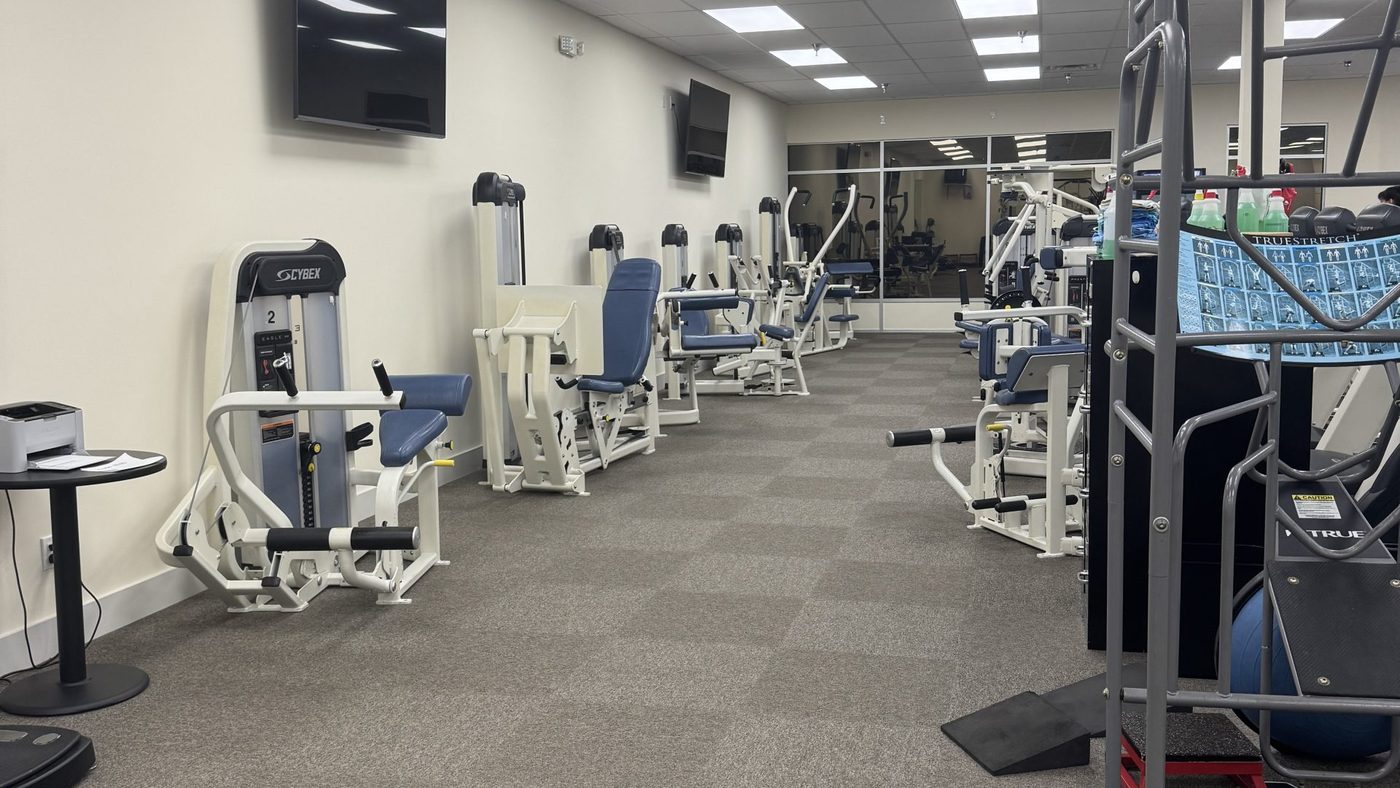
When Does Knee Replacement Rehab Start?
Rehab starts sooner than many people expect, usually the day of surgery or the next day. The American Academy of Orthopaedic Surgeons (AAOS) exercise guide describes simple moves like ankle pumps, quad sets and straight leg raises in the hospital, along with walking using a walker or crutches.
Early motion helps your knee regain movement and keeps blood flowing to lower the chance of clots. AAOS notes your surgeon and therapist may recommend exercising 20 to 30 minutes two or three times a day, and walking for about 30 minutes two or three times a day during early recovery.
What Happens in Weeks 1 to 3?
The first three weeks are about getting your knee moving and getting around safely. Expect to:
- Walk with a walker or crutches, putting as much weight on the leg as your surgeon allows
- Work on bending and straightening the knee several times a day
- Manage swelling with elevation and ice, as your care team directs
- Practice getting in and out of a chair, bed and car
Pain and stiffness are normal in this stage, especially at night. According to UW Medicine’s patient guide, many people reach at least 90 degrees of knee bend by the second week. Outpatient physical therapy often runs two to three sessions a week.
What Happens in Weeks 4 to 6?
This is when independence grows. UW Medicine notes that many people use a walker or crutches for three to four weeks and then a cane for a few more weeks. AAOS says you should be able to resume most normal activities of daily living within three to six weeks.
Strength work steps up, too. The AAOS exercise guide says light ankle weights can usually be added four to six weeks after surgery, and a stationary bike becomes a useful tool for strength and range of motion. Many people return to desk work around this time, per UW Medicine.
Driving is a common goal here. AAOS says driving often resumes about four to six weeks after surgery, once the knee bends enough to sit comfortably and muscle control is good enough for quick braking. You should also be off opioid pain medicine. Your surgeon makes the final call.
What Happens in Weeks 7 to 12?
Weeks seven through twelve are about rebuilding endurance and getting back to the activities you enjoy. Therapy often shifts to balance, stairs, longer walks and exercises that match your goals. UW Medicine says that sometime between one and two months after surgery, many people walk without a cane, and by about three months many are back to full activities without the pain they had before surgery.
AAOS recommends continuing the exercises your physical therapist prescribes for at least two months after surgery. Keep in mind that walking alone isn’t a substitute for those exercises.
When Can You Golf or Play Pickleball After a Knee Replacement?
That depends on your surgeon’s guidance, but lower-impact sports are generally the goal. The AAOS guide to activities after knee replacement lists golfing, bicycling and pickleball among the lower-impact activities that are preferable to high-impact ones like jogging and jumping. Swimming can usually start once the wound has fully healed and your doctor approves.
When you get the go-ahead, ease back in. Start with putting and chipping before a full round, use a cart on hot days, and try drills before full games on the court. A physical therapist can work on the twisting, balance and quick steps these sports call for.
When Should You Call Your Surgeon Right Away?
Some symptoms after a knee replacement need prompt attention. The AAOS total knee replacement guide lists these warning signs:
- Possible blood clot: increasing calf pain, tenderness or redness above or below the knee, or new swelling in the calf, ankle or foot
- Possible clot in the lungs: sudden shortness of breath or sudden chest pain. Call 911.
- Possible infection: fever that won’t go away, chills, increasing redness or swelling of the wound, drainage, or knee pain that keeps getting worse
A fall in the first few weeks can also damage a new knee. Clear rugs and cords from walkways, add night-lights, and use handrails on stairs.
How Ideal Physical Therapy & Fitness Can Help
Ideal Physical Therapy & Fitness provides orthopedic physical therapy, sports rehab, and balance and fall prevention for active adults in Naples and Marco Island. After surgery, we work from your surgeon’s plan and build your sessions around the goals that matter to you, whether that’s walking the beach, playing nine holes or getting back on the court. Learn more about our physical therapy services in Naples.
Frequently Asked Questions
How long does physical therapy last after a knee replacement?
It varies with your age, fitness and progress. UW Medicine says therapy usually lasts about six to eight weeks, and AAOS recommends continuing your home exercises for at least two months.
Is it normal for my knee to be swollen weeks after surgery?
Some swelling for several weeks is common. Elevation and ice after exercise can help, per AAOS. New or increasing swelling in the calf, ankle or foot should be checked right away, since it can be a sign of a clot.
Can I sleep on my side after a knee replacement?
AAOS says you can safely sleep on your back, on either side or on your stomach. A pillow between the knees may feel more comfortable when lying on your side.
Should I do physical therapy before surgery?
Ask your surgeon. Getting stronger and practicing with a walker before surgery may make the first days at home easier, and a therapist can show you exercises to start early.
Do I need a referral for physical therapy in Florida?
After surgery, your surgeon usually directs your rehab plan and sends orders to your therapist. Your insurance plan may also have its own rules, so check with your plan before your first visit.
If you have a knee replacement coming up or you’re working through recovery, call Ideal Physical Therapy & Fitness at (239) 272-3226 or contact us online to schedule an evaluation in Naples.
This article is for general information and is not medical advice. Talk with a licensed provider about your situation.