
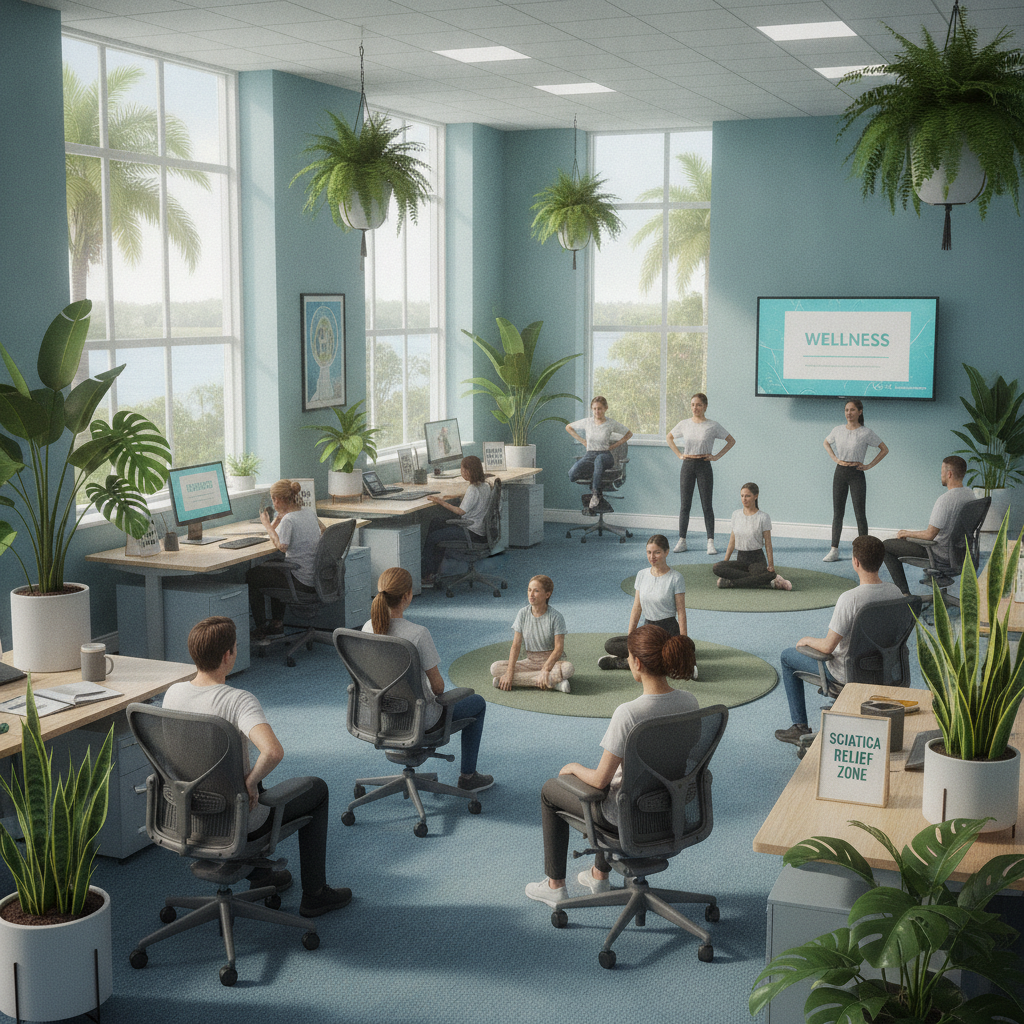
If you’re an office worker in the Naples area, you probably know the struggle of sitting at a desk for hours on end. The discomfort in your lower back, the tingling down your leg, and the nagging ache that just won’t quit, these are the classic signs of sciatica. For small business owners, developers, and anyone who spends most of their day at a computer, sciatica can be more than a nuisance. It can sideline your productivity, sap your energy, and even keep you from enjoying life outside the office. But here’s the good news: sciatica treatment Naples FL options are more advanced and accessible than ever before, offering real hope for lasting relief. In this guide, you’ll discover why sitting all day is such a problem for your sciatic nerve, how to spot the early warning signs, and the most effective steps you can take, right at your desk or with local professionals, to get back to feeling your best. Whether you’re looking for prevention tips or solutions to an ongoing problem, you’ll find practical advice tailored to the realities of modern office life.
Why Sitting All Day Triggers Sciatica
Spending hours in a chair can put enormous pressure on your lower back and hips, which are already vulnerable spots for many office workers. When you sit, especially with poor posture, the muscles that support your spine weaken and tighten, while your hip flexors shorten. This combination can compress the sciatic nerve, which runs from your lower back down each leg. Over time, the nerve irritation can lead to pain, numbness, or tingling. The problem is compounded by static positions, if you rarely get up or move, your body doesn’t get the chance to reset. That’s why office worker back pain relief strategies often focus on breaking up long periods of sitting, improving posture, and adding movement throughout your day. Understanding the mechanics behind sciatica is the first step toward finding lasting solutions that work for your lifestyle.
Recognizing Sciatica Symptoms Early
The earlier you catch the signs of sciatica, the easier it is to manage and reverse. Common symptoms include a sharp or burning pain in your lower back, buttock, or leg, as well as numbness, tingling, or weakness. Many office workers notice the discomfort gets worse after sitting for long stretches or when standing up after being seated. Some even feel the pain radiate all the way down to the foot. If you’re experiencing these symptoms, don’t ignore them, early intervention is key. Consulting a professional for pain management can help you avoid chronic issues and get you back to work with less discomfort. Pay attention to your body’s signals and take action before the pain becomes a constant companion.
The Role of Desk Ergonomics in Sciatica Prevention
Your desk setup can make a world of difference when it comes to preventing or easing sciatica. An ergonomic workspace supports your body’s natural alignment and reduces unnecessary strain on your spine and hips. Start by adjusting your chair so your feet are flat on the floor and your knees are at a 90-degree angle. Your monitor should be at eye level, and your keyboard and mouse should be within easy reach to avoid hunching or stretching. Consider using a lumbar support cushion or an adjustable chair with good lower back support. Small changes to your workstation can help minimize the risk of nerve compression and muscle fatigue. If you’re unsure where to begin, many local clinics, such as Ideal Physical Therapy, offer ergonomic assessments and personalized advice to optimize your setup for comfort and health.
When to Consider Advanced Sciatica Treatments
While lifestyle changes and ergonomic improvements can go a long way, some cases of sciatica require more targeted interventions. If your pain is severe, persistent, or accompanied by significant weakness, it may be time to explore advanced treatment options. These can include guided physical therapy, targeted injections, or innovative therapies designed to reduce inflammation and promote healing. For example, Epidural Steroid Injections for Sciatica in Naples, FL: What Patients Should Know can provide relief for those who haven’t responded to conservative measures. Always consult with a qualified healthcare provider to determine the best course of action for your specific situation. Early intervention with the right treatment can shorten recovery time and help prevent future flare-ups.
Exercises to Relieve Sciatic Nerve Pressure
Movement is one of the most effective ways to combat sciatica, especially for those who spend most of their day seated. Gentle stretches and strengthening exercises can help relieve pressure on the sciatic nerve and improve flexibility in the hips and lower back. Focus on movements that open the hips, stretch the hamstrings, and activate the core muscles. Even simple desk stretches, like seated figure-four or standing hamstring stretches, can make a noticeable difference. For a more comprehensive approach, consider Physical Therapy for Sciatica in Naples, FL: Exercises That Target Nerve Irritation to learn routines tailored to your needs. Regular exercise not only relieves current symptoms but also helps prevent future episodes by building resilience in your body’s support structures.
How Stress and Mental Fatigue Worsen Sciatica
It’s easy to overlook the impact of stress on physical health, but chronic tension and mental fatigue can make sciatica symptoms worse. When you’re stressed, your muscles tend to tighten, especially in the neck, shoulders, and lower back. This tension can increase nerve compression and amplify pain signals. Office workers juggling deadlines, meetings, and constant screen time are especially vulnerable. Incorporating stress management techniques, such as deep breathing, mindfulness, or short walks, into your daily routine can help reduce muscle tension and improve your overall well-being. Taking regular breaks, practicing relaxation exercises, and setting boundaries with work can all contribute to a healthier mind and body, making it easier to manage or prevent sciatica flare-ups.
Building Movement Into Your Workday
One of the best ways to fight the sit-all-day problem is to intentionally add movement throughout your workday. This doesn’t mean you need to hit the gym during lunch, but small, frequent bouts of activity can have a big impact. Try standing up every 30 to 60 minutes, taking a quick walk around the office, or doing a few stretches at your desk. Some people set reminders on their phones or use apps to prompt them to move. Others incorporate walking meetings or use a standing desk for part of the day. The key is consistency, regular movement helps keep the muscles flexible, the joints lubricated, and the sciatic nerve free from prolonged compression. Over time, these habits can significantly reduce your risk of developing or worsening sciatica.
Nutrition and Hydration for Nerve Health
What you eat and drink can play a supporting role in managing sciatica. Proper hydration helps maintain the elasticity of spinal discs and keeps muscles functioning optimally. Aim to drink water regularly throughout the day, rather than waiting until you feel thirsty. A diet rich in anti-inflammatory foods, such as leafy greens, berries, nuts, and fatty fish, can help reduce nerve irritation and support healing. Avoiding excessive caffeine and processed foods may also help minimize inflammation. While nutrition alone won’t cure sciatica, it can complement other treatments and contribute to overall nerve health, making your body more resilient against the stresses of prolonged sitting.
Common Myths About Sciatica in the Office
There are plenty of misconceptions about sciatica, especially among office workers. One common myth is that only older adults get sciatica, when in reality, anyone who sits for long periods is at risk. Another misconception is that rest is always best, while taking it easy during a severe flare-up can help, prolonged inactivity can actually make symptoms worse. Some believe that expensive ergonomic chairs alone will solve the problem, but movement and exercise are just as important. Finally, many people think sciatica is a permanent condition, but with the right combination of lifestyle changes and professional care, most cases can be managed or resolved. Understanding the facts about sciatica empowers you to take proactive steps toward relief and prevention.
Comparing Sciatica Relief Strategies
| Strategy | Benefits | Best For |
|---|---|---|
| Desk Ergonomics | Reduces strain, supports posture | Prevention, mild symptoms |
| Stretching/Exercise | Improves flexibility, relieves nerve pressure | Active relief, ongoing care |
| Professional Therapy | Personalized treatment, faster recovery | Moderate to severe symptoms |
| Injections/Advanced Care | Reduces inflammation, targeted relief | Persistent or severe cases |
Finding the Right Support in the Community
You don’t have to tackle sciatica alone. Local resources, from physical therapists to wellness clinics, offer personalized assessments and treatment plans tailored to your needs. Many professionals in this community understand the unique challenges faced by office workers and can recommend solutions that fit your work style and schedule. Whether you’re seeking ergonomic advice, guided exercise routines, or advanced therapies, reaching out for expert help can accelerate your recovery and give you the confidence to return to your daily activities. Don’t hesitate to ask questions and advocate for your health, finding the right support is a key part of your sciatica relief journey.
The Bottom Line
Sciatica doesn’t have to be the inevitable result of a desk job. By understanding the causes, recognizing symptoms early, and taking proactive steps, like improving your workspace, adding movement, and seeking professional guidance, you can find real relief and prevent future flare-ups. The options for sciatica treatment Naples FL office workers have today are more comprehensive and effective than ever, allowing you to address the problem at its root. Remember, small changes add up: a few stretches, a better chair, or a quick consult with a local expert can make all the difference. Prioritize your health, listen to your body, and don’t settle for pain as a normal part of your workday. With the right approach, you can reclaim comfort, productivity, and quality of life, both at your desk and beyond.