
Back pain and spinal issues can disrupt daily life, making even simple tasks feel overwhelming. For many people, finding a solution that is both effective and non-invasive is a top priority. Spinal decompression therapy Naples FL has emerged as a leading option for those seeking relief from chronic back pain, herniated discs, sciatica, and other spine-related conditions. This therapy is gaining popularity among small business owners, developers, and residents who want to stay active and productive without resorting to surgery or heavy medication. In this article, we’ll explore how spinal decompression therapy works, its benefits, and what you can expect if you’re considering this treatment in the area. Whether you’re new to the concept or looking for more detailed information, you’ll find practical insights and expert advice to help you make an informed decision about your spinal health.
Spinal Decompression Therapy: What to Expect Locally
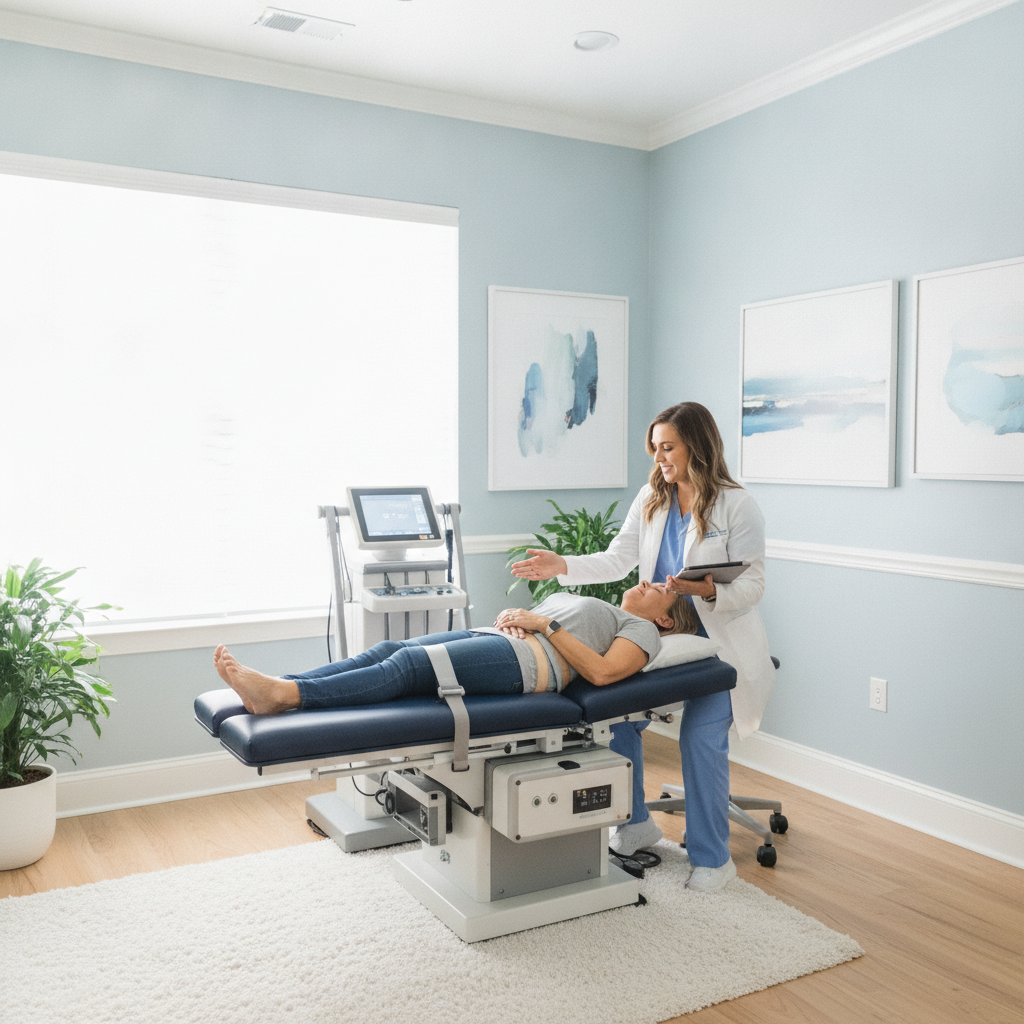
Understanding what spinal decompression therapy involves is the first step toward making an informed choice. This non-surgical treatment is designed to relieve pressure on the spine by gently stretching it, which can help alleviate pain caused by compressed nerves and herniated discs. The process typically involves lying on a specialized table while a computer-controlled device applies precise traction to the spine. This gentle stretching creates negative pressure within the disc, encouraging the retraction of bulging or herniated material and promoting the flow of nutrients to the affected area.
Locally, clinics offering this therapy are equipped with advanced technology and staffed by experienced professionals who tailor each session to the individual’s needs. The treatment is comfortable and most patients report a relaxing experience. Sessions usually last between 20 and 45 minutes, and a typical course may include 15 to 30 visits depending on the severity of the condition. Many people notice improvement after just a few sessions, with continued progress throughout the treatment plan.
If you’re interested in learning more or scheduling a consultation for Naples FL spinal decompression therapy, local providers are ready to answer your questions and guide you through the process. This approach is especially appealing to those who want to avoid surgery, minimize downtime, and get back to their routines as quickly as possible. With a focus on comfort and results, spinal decompression therapy is becoming a go-to solution for back pain relief in this community.
Exploring Spinal Decompression Therapy in Naples, FL
For residents seeking spinal decompression therapy Naples FL, understanding the science behind the treatment can help set realistic expectations. The therapy works by reducing the pressure within spinal discs, which are the soft, gel-like cushions between the vertebrae. When these discs become compressed due to injury, aging, or repetitive stress, they can bulge or herniate, pressing on nearby nerves and causing pain, numbness, or weakness.
Spinal decompression therapy uses controlled mechanical traction to create space between the vertebrae. This negative intradiscal pressure encourages herniated or bulging discs to retract, taking pressure off nerves and allowing the body’s natural healing processes to take over. The therapy is safe, non-invasive, and supported by clinical studies demonstrating its effectiveness for a variety of spinal conditions.
Patients often choose spinal decompression therapy Naples FL because it offers a drug-free alternative to pain management. It’s suitable for a wide range of people, including those who have not responded to other treatments or want to avoid the risks associated with surgery. The therapy is typically part of a comprehensive care plan that may include physical therapy, exercise, and lifestyle modifications to support long-term spinal health.
Benefits of Spinal Decompression Therapy in Naples, Florida
One of the key reasons people in the region are turning to spinal decompression therapy is its wide range of benefits. Unlike surgical interventions, this therapy is non-invasive and carries minimal risk of complications. Patients often experience significant pain relief, improved mobility, and a better quality of life after completing their treatment plans.
Some of the most notable benefits include:
- Reduction of chronic back and neck pain
- Improved function for daily activities and work
- Decreased reliance on pain medications
- Enhanced healing of herniated or bulging discs
- Lower risk compared to surgical alternatives
The therapy is also highly customizable, allowing practitioners to adjust the amount of traction and duration based on each patient’s needs. This personalized approach ensures optimal results and a comfortable experience. Many local clinics offer comprehensive evaluations to determine if you are a good candidate for spinal decompression therapy. If you’re interested in finding a reputable provider, consider visiting Ideal Physical Therapy & Fitness for more information on available services and patient success stories.
Who Can Benefit from Spinal Decompression Therapy?
Spinal decompression therapy is not just for those with severe back problems. It can benefit a wide range of individuals, from busy professionals and small business owners to retirees and athletes. People suffering from chronic lower back pain, sciatica, degenerative disc disease, herniated or bulging discs, and even certain cases of neck pain may find relief through this therapy. The treatment is especially appealing to those who want to avoid surgery and minimize time away from work or family.
Candidates for spinal decompression therapy are typically evaluated based on their medical history, current symptoms, and diagnostic imaging such as MRI or X-rays. While many people are suitable for the therapy, there are some conditions where it may not be recommended, such as advanced osteoporosis, spinal fractures, or severe nerve damage. A thorough evaluation by a qualified provider ensures that each patient receives the most appropriate care for their unique situation.
For those living in the neighborhood, having access to a non-invasive and effective treatment option like spinal decompression therapy can make a significant difference in daily comfort and long-term health. By addressing the root cause of pain and supporting the body’s natural healing abilities, this therapy empowers individuals to return to their favorite activities and enjoy a higher quality of life.
How Spinal Decompression Therapy Works
Spinal decompression therapy operates on a simple yet powerful principle: relieve pressure on the spine to promote healing. The process begins with a comprehensive assessment to determine the exact location and nature of the spinal issue. Once a treatment plan is established, the patient is positioned on a decompression table, where a computer-controlled system gently stretches and relaxes the spine in cycles.
This stretching creates negative pressure within the spinal discs, which helps retract herniated or bulging disc material and draws in oxygen, water, and nutrients. These elements are essential for disc health and repair. The therapy is painless, and many patients find the sessions relaxing, often experiencing a reduction in pain after just a few visits.
The effectiveness of spinal decompression therapy is supported by research and clinical experience. It is often combined with other treatments such as physical therapy, exercise, and ergonomic education to maximize results. By addressing both the symptoms and underlying causes of spinal pain, this therapy offers a comprehensive approach to spinal health and recovery.
Common Conditions Treated with Spinal Decompression Therapy
Spinal decompression therapy is versatile and can address a range of spinal conditions. Some of the most common issues treated include:
- Herniated or bulging discs
- Degenerative disc disease
- Sciatica (pain radiating down the leg)
- Facet syndrome
- Posterior facet syndrome
- Chronic lower back or neck pain
The therapy is particularly effective for conditions where nerve compression is a major factor. By reducing the pressure on spinal nerves, patients often experience relief from pain, tingling, and numbness. Those who have not responded to other treatments, such as medication or physical therapy alone, may find that spinal decompression therapy provides the breakthrough they need.
Residents in the area benefit from having local access to this advanced therapy, which can be tailored to each person’s unique needs and medical history. As awareness grows, more people are turning to spinal decompression therapy as a cornerstone of their back pain management strategy.
What to Expect During Your Spinal Decompression Therapy Sessions
If you’re considering spinal decompression therapy, knowing what to expect during your sessions can help ease any concerns and prepare you for the process. Each session typically begins with a brief assessment to monitor your progress and address any new symptoms. You’ll then be positioned comfortably on the decompression table, where the therapist will secure you with harnesses to ensure stability and safety.
The computer-controlled device will then apply gentle, cyclical traction to your spine. This process is closely monitored and can be adjusted at any time to ensure your comfort. Most sessions last between 20 and 45 minutes, and patients often report feeling relaxed during and after the treatment. There is no downtime required, so you can return to your daily activities immediately following each session.
Progress is typically measured over several weeks, with many patients noticing a gradual reduction in pain and an increase in mobility. Your provider may recommend complementary therapies such as stretching, strengthening exercises, or ergonomic adjustments to enhance your results and support long-term spinal health.
Comparing Spinal Decompression Therapy to Other Treatments
When it comes to managing back pain and spinal issues, there are several treatment options available. Spinal decompression therapy stands out for its non-invasive nature and high success rate, especially when compared to surgery or long-term medication use. Below is a table comparing spinal decompression therapy to other common treatments:
| Treatment | Invasiveness | Recovery Time | Typical Risks |
|---|---|---|---|
| Spinal Decompression Therapy | Non-invasive | None to minimal | Very low |
| Surgery (e.g., Discectomy) | Invasive | Weeks to months | Infection, nerve damage |
| Medication | Non-invasive | None | Side effects, dependency |
| Physical Therapy | Non-invasive | None | Minimal |
As shown in the table, spinal decompression therapy offers a unique combination of safety, effectiveness, and convenience. It avoids the risks and downtime associated with surgery and the potential side effects of medication, making it an attractive option for many patients in the region.
What Makes a Good Candidate for Spinal Decompression Therapy?
Not every patient with back pain is an ideal candidate for spinal decompression therapy. The best candidates are those with specific spinal conditions such as herniated discs, bulging discs, degenerative disc disease, or sciatica. Individuals who have not found relief from traditional treatments like physical therapy or medication may also benefit.
During your initial consultation, a healthcare provider will review your medical history, conduct a physical examination, and may order imaging studies to determine the underlying cause of your symptoms. Patients with spinal fractures, advanced osteoporosis, tumors, or certain types of spinal implants may not be eligible for this therapy. Safety is always a top priority, and providers will ensure that only those who can benefit from the treatment are recommended for it.
For those who are good candidates, spinal decompression therapy offers a path to relief that is both effective and minimally disruptive to daily life. The therapy’s ability to target the source of pain and support natural healing makes it a valuable tool in the management of chronic spinal conditions.
Frequently Asked Questions About Spinal Decompression Therapy
Many people considering spinal decompression therapy have questions about what the process involves, how long it takes, and what results they can expect. Here are some of the most common questions:
- Is spinal decompression therapy painful?
Most patients find the therapy comfortable and relaxing. Some may experience mild soreness after the first few sessions, but this typically subsides quickly. - How many sessions will I need?
The number of sessions varies based on the severity of the condition, but most treatment plans include 15 to 30 sessions over several weeks. - Are the results permanent?
Many patients experience long-lasting relief, especially when the therapy is combined with lifestyle changes and ongoing care. However, results can vary depending on the individual and the underlying condition. - Can I continue my normal activities during treatment?
Yes, most people can maintain their regular routines, as there is no downtime required after sessions.
If you have specific concerns or want to know if spinal decompression therapy is right for you, consult with a local provider who can assess your individual needs and recommend the best course of action.
Tips for Maximizing the Benefits of Spinal Decompression Therapy
To get the most out of your spinal decompression therapy, it’s important to follow your provider’s recommendations and adopt healthy habits that support spinal health. Here are some practical tips:
- Stay consistent with your therapy schedule to ensure optimal results.
- Incorporate stretching and strengthening exercises as advised by your therapist.
- Practice good posture, especially when sitting for long periods.
- Maintain a healthy weight to reduce stress on your spine.
- Avoid heavy lifting or activities that may aggravate your condition.
By taking an active role in your recovery and following these tips, you can enhance the effectiveness of spinal decompression therapy and support your overall well-being.
Final Thoughts
Spinal decompression therapy Naples FL offers a non-invasive, effective solution for those struggling with back pain and spinal issues. This therapy is gaining traction among residents who want to remain active and avoid the risks of surgery or long-term medication. By understanding how the therapy works, who can benefit, and what to expect during treatment, you can make an informed decision about your spinal health. If you’re ready to explore your options, reach out to a trusted local provider for a personalized assessment and take the first step toward a pain-free future.