
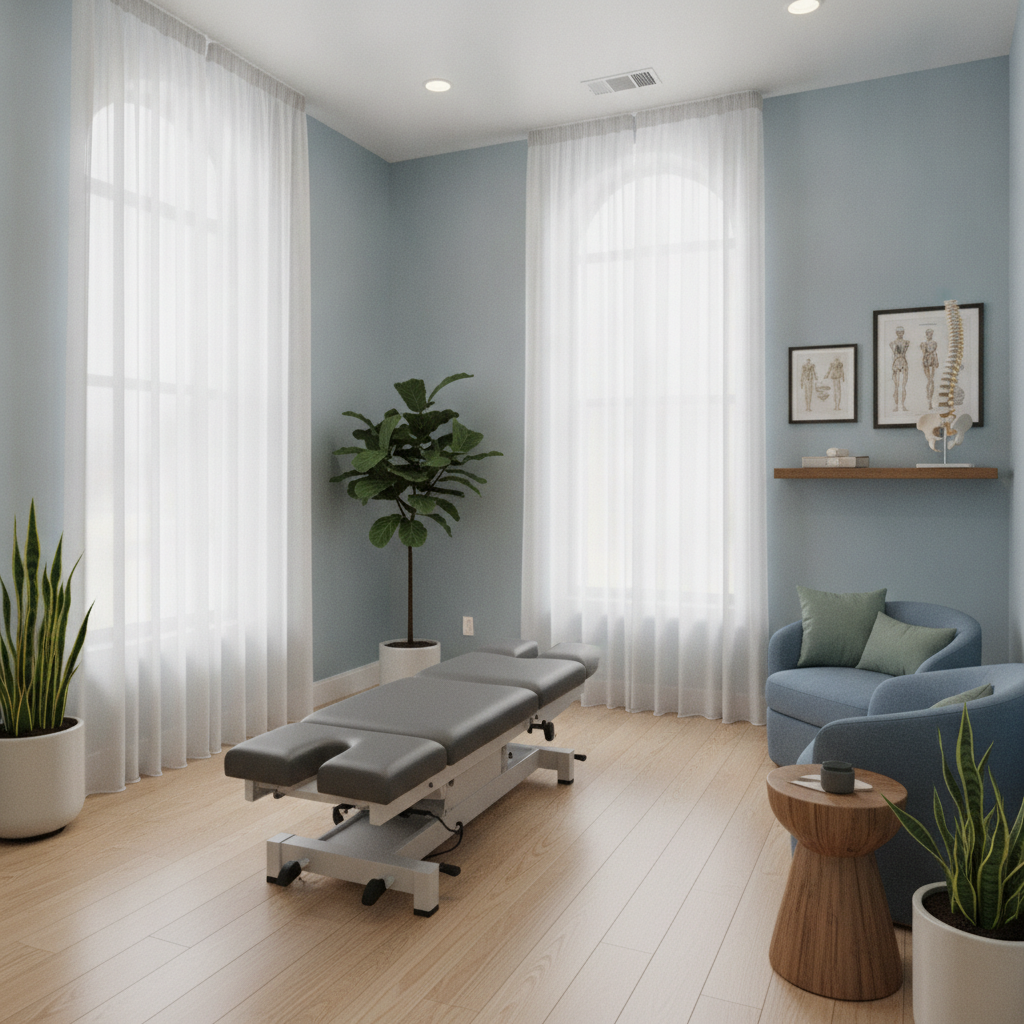
Back pain can be a major obstacle, especially for small business owners and professionals who need to stay active and productive. If you’re searching for effective, non-surgical solutions, spinal decompression therapy Naples FL is gaining attention for its science-backed approach to relieving chronic discomfort. This innovative therapy is designed to alleviate pressure on the spine, promote healing, and restore mobility, making it a compelling option for anyone struggling with persistent back or neck pain. In this article, we’ll dive deep into the principles behind spinal decompression therapy, explore how it works, and clarify what makes it a standout choice for those in the area seeking relief. Whether you’re a developer spending long hours at your desk or a business owner on your feet all day, understanding the science and benefits of this therapy could be the first step toward reclaiming your comfort and productivity. Let’s unravel the facts and discover how modern spinal care is transforming lives locally.
The Science of Spinal Decompression Therapy in the Area
Spinal decompression therapy is a non-invasive treatment designed to relieve pressure on the spinal discs and nerves. The underlying science is rooted in biomechanics and physiology. When the spine is subjected to daily stress, whether from poor posture, repetitive movements, or injuries, the discs between vertebrae can become compressed. This compression may lead to bulging or herniated discs, pinched nerves, and chronic pain. Spinal decompression therapy addresses these issues by gently stretching the spine, creating negative pressure within the disc spaces. This negative pressure encourages herniated or bulging discs to retract, which can reduce nerve impingement and promote the movement of oxygen, water, and nutrient-rich fluids into the discs for healing.
The therapy is typically administered using a specialized table or device that allows for precise control of the amount and direction of force applied to the spine. The patient is comfortably secured, and the device applies a gentle, controlled stretch. Sessions usually last between 20 and 45 minutes, and a typical treatment plan may involve multiple sessions over several weeks. Research has shown that this method can be effective for conditions such as sciatica, degenerative disc disease, and chronic lower back pain. By targeting the root cause of pain rather than just the symptoms, spinal decompression therapy offers a holistic approach to spinal health.
For those interested in learning more about spinal decompression therapy Naples FL, understanding the science is the first step toward making an informed decision. The therapy’s foundation in anatomical principles and its non-surgical nature make it a popular choice for individuals seeking long-term relief without the risks associated with invasive procedures.
How Spinal Decompression Therapy Naples, FL Works
Spinal decompression therapy works by utilizing advanced technology to create a gentle, sustained stretch along the spine. This process is carefully calibrated to each individual’s needs, ensuring both safety and effectiveness. The therapy begins with a thorough assessment, where a healthcare professional evaluates your spinal health, pain levels, and any underlying conditions. Once a personalized plan is developed, the patient is positioned on a decompression table. This table is designed to move in specific ways, applying traction to targeted areas of the spine.
During each session, the table alternates between periods of gentle stretching and relaxation. This rhythmic movement helps to relieve pressure on compressed discs, allowing them to absorb essential nutrients and fluids. Over time, this can lead to improved disc health, reduced inflammation, and decreased pain. The therapy is painless for most individuals, and many report feeling a sense of relief even after the first few sessions. However, optimal results are typically achieved with a full course of treatment, which may range from 10 to 30 sessions depending on the severity of the condition.
If you’re curious about the step-by-step process or want to see real-life examples, visit our site for detailed guides and patient stories. The combination of cutting-edge equipment and expert guidance ensures that spinal decompression therapy is both safe and effective for a wide range of back and neck issues. For residents in this community, it represents a modern approach to spinal care that prioritizes long-term well-being over temporary fixes.
Benefits of Spinal Decompression Therapy in Naples, Florida
The benefits of spinal decompression therapy extend far beyond simple pain relief. For those living and working in this city, the therapy offers a non-surgical alternative to more invasive treatments, reducing both recovery time and risk of complications. One of the most significant advantages is its ability to address the root causes of back and neck pain, such as herniated discs, sciatica, and degenerative disc disease. By creating space between the vertebrae and encouraging the retraction of bulging discs, decompression therapy can alleviate nerve pressure and restore normal function.
Many patients report improvements not just in pain levels, but also in mobility, flexibility, and overall quality of life. The therapy is gentle and well-tolerated, making it suitable for a wide range of ages and fitness levels. It is particularly appealing to small business owners and professionals who cannot afford extended downtime. Unlike surgery, there is no need for anesthesia, incisions, or lengthy hospital stays. Most individuals can return to their daily activities shortly after each session.
For those wanting to find a reputable provider, Ideal Physical Therapy & Fitness is a trusted name in the region, known for its commitment to patient-centered care and advanced therapeutic techniques. By choosing spinal decompression therapy, residents can take proactive steps toward lasting relief and improved spinal health.
Who Is a Good Candidate for Spinal Decompression?
Spinal decompression therapy is suitable for a wide range of individuals, but it’s especially beneficial for those experiencing chronic back or neck pain due to disc-related issues. Common candidates include people with herniated or bulging discs, degenerative disc disease, sciatica, and facet syndrome. If you’ve tried other conservative treatments like physical therapy, medications, or chiropractic adjustments without significant improvement, decompression therapy may offer the relief you’ve been seeking.
However, not everyone is an ideal candidate. Individuals with severe osteoporosis, spinal fractures, tumors, or certain advanced spinal conditions may not be suited for this therapy. Pregnant women and those with metal implants in the spine are typically advised against undergoing decompression treatments. It’s crucial to undergo a thorough evaluation by a qualified healthcare provider to determine if this therapy is appropriate for your specific condition.
For those who qualify, spinal decompression therapy offers a safe, non-invasive path to pain relief and improved function. The process is tailored to each individual, ensuring that the treatment is both effective and comfortable. If you’re unsure whether you’re a good candidate, consult with a local specialist who can assess your medical history and current symptoms.
Common Conditions Treated by Spinal Decompression
Spinal decompression therapy has proven effective for a variety of spinal conditions that cause chronic pain and limit mobility. Some of the most common issues treated include:
- Herniated or bulging discs
- Degenerative disc disease
- Sciatica (pain radiating down the leg)
- Facet joint syndrome
- Chronic lower back pain
- Neck pain due to disc problems
The therapy is particularly beneficial for those who have not found relief with other treatments. By targeting the underlying cause of pain, often compressed or damaged discs, spinal decompression can provide lasting results. It’s also a valuable option for individuals seeking to avoid surgery or reduce their reliance on pain medications.
Each patient’s condition is unique, so a comprehensive assessment is necessary to determine the most effective treatment plan. For many, spinal decompression therapy serves as a cornerstone of a broader rehabilitation program that may include physical therapy, exercise, and lifestyle modifications.
Spinal Decompression vs. Traditional Treatments
When comparing spinal decompression therapy to traditional treatments for back and neck pain, several key differences emerge. Conventional approaches often include medications, physical therapy, chiropractic adjustments, or even surgery. While these methods can be effective, they may not address the root cause of pain for every patient. Medications, for example, often mask symptoms without promoting true healing. Surgery, on the other hand, carries risks such as infection, long recovery times, and potential complications.
Spinal decompression therapy stands out because it is non-invasive and focuses on restoring the natural function of the spine. By gently stretching the spinal column, the therapy reduces pressure on discs and nerves, fostering an environment where healing can occur. This approach is particularly appealing to those who want to avoid the risks and downtime associated with surgery. Additionally, decompression therapy can be combined with other conservative treatments, such as exercise and ergonomic modifications, for a comprehensive approach to spinal health.
For many individuals, spinal decompression therapy offers a balanced solution that bridges the gap between temporary relief and long-term recovery. It provides an opportunity to address chronic pain at its source, enabling patients to regain mobility and return to their daily activities with confidence.
What to Expect During a Spinal Decompression Session
If you’re considering spinal decompression therapy, knowing what to expect can help ease any apprehension. Each session begins with a brief assessment to ensure you’re comfortable and ready for treatment. You’ll be asked to lie down on a specialized decompression table, where padded harnesses are gently secured around your hips and torso. The table is then programmed to deliver a controlled stretch to your spine, targeting the specific area of concern.
The session typically lasts between 20 and 45 minutes. Throughout the process, you’ll feel a gentle pulling sensation, which most patients find relaxing. The machine alternates between periods of traction and relaxation, allowing your body to adjust and respond to the therapy. After the session, you may experience mild soreness, similar to what you might feel after a light workout. This is a normal response as your body adapts to the changes in spinal alignment.
It’s important to follow your provider’s recommendations regarding activity and hydration after each session. Most individuals can resume their normal routines immediately, with little to no downtime. Over the course of several sessions, many patients notice gradual improvements in pain, mobility, and overall well-being.
Risks and Safety Considerations
While spinal decompression therapy is considered safe for most individuals, it’s important to be aware of potential risks and safety considerations. As with any medical treatment, outcomes can vary based on individual health factors and the expertise of the provider. The therapy is generally well-tolerated, but some people may experience temporary soreness, muscle spasms, or mild discomfort during or after sessions. Serious complications are rare, especially when the therapy is administered by a qualified professional.
Certain populations should avoid spinal decompression therapy, including those with severe osteoporosis, spinal fractures, tumors, infections, or metal implants in the spine. Pregnant women are also typically excluded from this treatment. Before starting therapy, a thorough evaluation is conducted to identify any contraindications and ensure the treatment is appropriate for your specific needs.
To maximize safety, always choose a reputable provider with experience in spinal decompression techniques. This ensures that the therapy is tailored to your condition and performed with the highest standards of care. Open communication with your provider about any concerns or changes in symptoms is essential for a successful outcome.
The Role of Technology in Modern Spinal Decompression
Advancements in technology have revolutionized spinal decompression therapy, making it more precise, comfortable, and effective than ever before. Modern decompression tables are equipped with computerized controls that allow for exact adjustments based on each patient’s anatomy and condition. This level of customization ensures that the therapy targets the right areas and delivers the optimal amount of force for maximum benefit.
Some systems even incorporate sensors that monitor the patient’s response in real time, allowing for immediate adjustments to enhance comfort and safety. This technological sophistication reduces the risk of complications and increases the likelihood of positive outcomes. Additionally, digital record-keeping and progress tracking enable providers to monitor improvements and make data-driven decisions about ongoing care.
For those seeking spinal decompression therapy, choosing a provider that utilizes the latest technology can make a significant difference in the overall experience and results. The integration of advanced equipment with expert clinical judgment forms the backbone of successful, modern spinal care.
Comparing Spinal Decompression Therapy Outcomes
Understanding the potential outcomes of spinal decompression therapy can help set realistic expectations for recovery. While individual results may vary, studies and patient reports consistently highlight improvements in pain levels, mobility, and overall quality of life. To illustrate these benefits, the following table compares common outcomes for patients who undergo spinal decompression therapy versus those who pursue traditional treatments.
| Outcome | Spinal Decompression Therapy | Traditional Treatments |
|---|---|---|
| Pain Relief | Significant, often long-lasting | Variable, sometimes temporary |
| Mobility Improvement | Commonly improved | May improve, depends on method |
| Risk of Complications | Low | Moderate to high (especially surgery) |
| Recovery Time | Minimal | Varies, can be lengthy |
| Suitability | Wide range of patients | Depends on condition and treatment |
This comparison highlights the advantages of spinal decompression therapy, particularly for those seeking effective, low-risk solutions for chronic spinal conditions. Consulting with a knowledgeable provider can help you determine the best approach for your unique needs.
Integrating Spinal Decompression into a Holistic Wellness Plan
While spinal decompression therapy can be highly effective on its own, integrating it into a broader wellness plan can enhance and sustain results. Many providers recommend combining decompression with physical therapy exercises, ergonomic adjustments, and lifestyle modifications to address the underlying factors contributing to spinal issues. For example, strengthening core muscles, improving posture, and maintaining a healthy weight can all support spinal health and prevent future problems.
Nutritional support and stress management techniques, such as yoga or mindfulness, may also play a role in comprehensive care. By taking a holistic approach, patients can maximize the benefits of spinal decompression therapy and enjoy improved overall well-being. Regular follow-ups with your provider ensure that progress is monitored and adjustments are made as needed.
For small business owners and professionals, adopting a proactive approach to spinal health can lead to increased productivity, reduced absenteeism, and a better quality of life. Spinal decompression therapy serves as a valuable tool within this broader framework, helping individuals stay active and engaged in their daily pursuits.
Final Thoughts
Spinal decompression therapy Naples FL offers a science-driven, non-surgical path to relief for those struggling with chronic back and neck pain. By understanding the principles behind this innovative treatment, individuals in the region can make informed choices about their spinal health. The therapy’s ability to target the root causes of pain, combined with its minimal risks and quick recovery times, makes it a standout option for small business owners, developers, and anyone seeking to stay active and productive.
Whether you’re considering spinal decompression for the first time or looking to integrate it into a broader wellness plan, the key is to work with experienced providers who prioritize personalized care. With the right guidance, spinal decompression therapy can help you reclaim comfort, mobility, and quality of life. Explore your options locally and take the first step toward a healthier, pain-free future.