
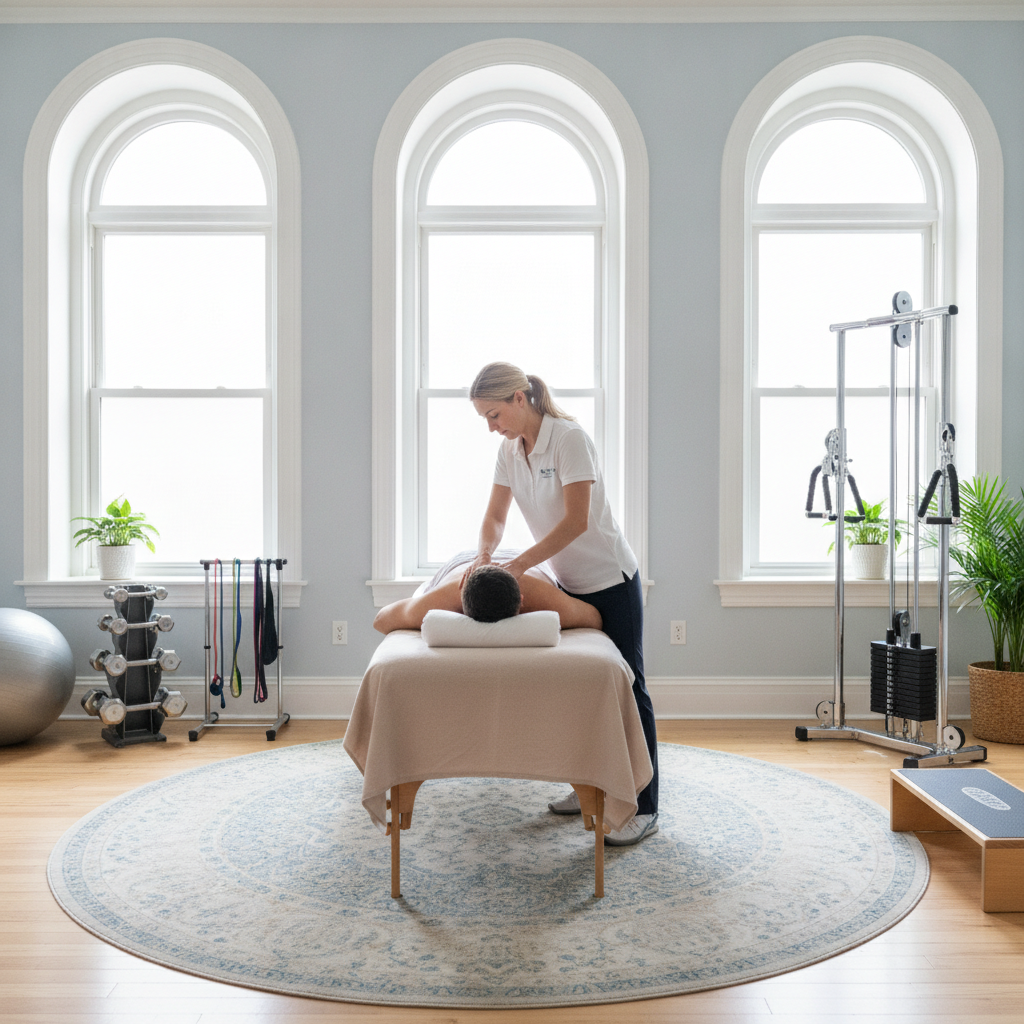
If you’re searching for the best way to address pain, stiffness, or mobility issues, you may be wondering whether manual therapy or exercise-based care is right for you. Working with a physical therapist Naples FL residents trust can make a significant difference in your recovery, but understanding the distinctions between these two common approaches is key. Whether you’re a small business owner dealing with workplace aches, a developer spending long hours at a desk, or simply someone who wants to move better, knowing what to expect from each type of care can help you make informed decisions about your health. In this article, we’ll break down the basics, compare benefits, and explore how these methods are used, so you can confidently choose the path that fits your needs and lifestyle.
Understanding Manual Therapy Techniques
Manual therapy is a hands-on approach used by skilled clinicians to assess and treat musculoskeletal pain and dysfunction. It includes a variety of techniques such as joint mobilizations, soft tissue massage, trigger point release, and stretching. The goal is to reduce pain, improve range of motion, and restore normal movement patterns. Many people find manual therapy helpful for acute injuries or chronic tightness, as it can quickly ease discomfort and prepare the body for further activity. However, manual therapy is most effective when combined with other forms of treatment, rather than as a standalone solution. For individuals who are new to physical therapy, manual therapy often serves as an entry point, helping them feel more comfortable before progressing to active rehabilitation. This hands-on care is personalized, with therapists adapting techniques to each person’s unique needs and response.
What Is Exercise-Based Care and How Does It Work?
Exercise-based care is a cornerstone of modern rehabilitation, focusing on movement, strength, flexibility, and function. Instead of relying solely on passive treatments, this approach empowers patients to take an active role in their recovery. A tailored exercise program might include strengthening routines, stretching, balance drills, and functional movements that mimic daily activities. The aim is to build resilience, correct faulty movement patterns, and prevent future injuries. Working with a therapist ensures exercises are performed safely and effectively, with adjustments made as progress occurs. For those who want long-term results and greater independence, exercise-based care offers a proactive solution that extends beyond the clinic. It’s especially valuable for people with chronic conditions, athletes returning to sport, or anyone looking to improve overall mobility and health.
When Manual Therapy Makes the Biggest Impact
Manual therapy shines in situations where pain or stiffness limits your ability to move or participate in exercise. For example, after an acute injury such as a sprained ankle or muscle strain, hands-on techniques can reduce swelling, relieve muscle guarding, and restore joint mobility. In cases of chronic tension, like neck or back tightness from long hours at a desk, manual therapy may provide much-needed relief and set the stage for more active interventions. It’s also useful for patients who are hesitant or unable to exercise due to pain. By addressing these barriers first, therapists can help individuals transition more comfortably into active care. In the region, clinics like Ideal Physical Therapy often incorporate manual therapy as part of a comprehensive treatment plan, ensuring that each patient’s needs are met at every stage of recovery.
Why Active Exercise Is Essential for Long-Term Recovery
While manual therapy can jumpstart the healing process, active exercise is what cements long-term improvements. Engaging in regular, targeted movement helps retrain muscles, improve joint stability, and restore confidence in your body’s abilities. Exercise-based rehabilitation is also key for preventing recurrences of pain or injury, as it addresses underlying weaknesses or imbalances that may have contributed to the problem in the first place. For example, strengthening the core and hip muscles can protect the lower back, while balance exercises reduce the risk of falls. Clinics such as Ideal Physical Therapy (2) emphasize education and self-management, equipping patients with the tools they need to stay active and independent. This proactive approach is especially important for busy professionals and active adults who want to keep up with their daily routines without interruption.
How Therapists Decide on the Best Approach for You
Physical therapists use a thorough assessment process to determine which combination of manual therapy and exercise-based care will be most effective. They consider factors such as the nature of your injury, your pain levels, medical history, and personal goals. For instance, someone with acute sciatica might benefit from gentle manual techniques initially, followed by progressive exercise as symptoms improve. Therapists also take into account your comfort level and preferences, ensuring that treatment is collaborative and patient-centered. In some cases, additional evaluation may be needed to rule out underlying issues, as discussed in resources like When Sciatica Needs Imaging in Naples, FL: MRI, X-Rays, and Next Steps. Ultimately, the best outcomes are achieved when manual and active methods are integrated, adapting as you progress through your recovery journey.
Comparing Manual Therapy and Exercise: Key Differences
Manual therapy and exercise-based care each have unique strengths, and understanding their differences can help you make informed choices. Manual therapy is typically passive, meaning the therapist does most of the work while you relax. It’s ideal for reducing pain, improving mobility, and preparing the body for more active interventions. Exercise-based care, on the other hand, is active and requires your participation. It focuses on building strength, flexibility, and functional movement. While manual therapy offers quick relief, its effects may be temporary unless reinforced with exercise. In contrast, exercise-based care delivers lasting benefits but may take longer to show results. Most effective treatment plans combine both, starting with manual therapy to address immediate discomfort, then transitioning to exercise for long-term gains. This balanced approach ensures that you not only feel better quickly but also stay better over time.
The Science Behind Manual Therapy and Exercise
Research supports the use of both manual therapy and exercise-based care for a variety of musculoskeletal conditions. Studies show that manual therapy can decrease pain and improve mobility in the short term, especially for issues like back pain, neck pain, and joint stiffness. However, these benefits are often enhanced and maintained when combined with active exercise. Exercise-based programs are proven to improve strength, endurance, and function, and they play a critical role in preventing future injuries. The science suggests that neither approach should be used in isolation for most conditions. Instead, integrating hands-on techniques with targeted movement produces the best outcomes. This evidence-based philosophy is embraced by many physical therapists, who tailor their interventions to each patient’s needs, preferences, and progress. By staying up-to-date with current research, therapists ensure you receive the highest standard of care available.
Common Conditions Treated with Each Approach
Manual therapy and exercise-based care are used to treat a wide range of conditions, from acute injuries to chronic pain syndromes. Manual therapy is particularly effective for joint restrictions, muscle spasms, and soft tissue adhesions. It’s commonly used for conditions like frozen shoulder, tension headaches, and post-surgical stiffness. Exercise-based care is essential for rehabilitation after fractures, ligament injuries, and surgeries, as well as for managing chronic diseases such as arthritis. It’s also the foundation of treatment for balance problems, sports injuries, and general deconditioning. For specialized concerns, such as pelvic health, resources like Pelvic Health and Physical Therapy in Naples, FL: Treatment Options to Know highlight how exercise and manual therapy can be combined for optimal results. The versatility of these approaches means that most patients benefit from a mix of both, tailored to their specific diagnosis and goals.
Table: Manual Therapy vs. Exercise-Based Care at a Glance
| Aspect | Manual Therapy | Exercise-Based Care |
|---|---|---|
| Type of Intervention | Hands-on, passive | Active, patient-driven |
| Primary Goals | Pain relief, mobility | Strength, function, prevention |
| Best For | Acute pain, stiffness | Chronic issues, long-term health |
| Patient Role | Relax and receive treatment | Actively participate in exercises |
| Duration of Benefit | Short-term, needs reinforcement | Long-term, builds resilience |
What to Expect During Your First Visit
Your initial appointment with a physical therapist typically begins with a detailed evaluation. The therapist will ask about your symptoms, medical history, and goals, then perform a physical assessment to identify areas of weakness, tightness, or dysfunction. Based on these findings, they’ll recommend a personalized treatment plan that may include both manual therapy and exercise-based care. You’ll likely receive hands-on techniques to address immediate pain or mobility issues, followed by instruction in targeted exercises. Education is a key part of the process, so expect to learn about your condition and how to manage it at home. Therapists also discuss realistic timelines for recovery and set measurable milestones. By the end of your visit, you should feel empowered and informed, with a clear understanding of what to expect moving forward. This collaborative approach ensures that your care is tailored to your unique needs and lifestyle.
Tips for Maximizing Your Results
To get the most out of your therapy, consistency and communication are key. Attend all scheduled sessions and follow your therapist’s recommendations for home exercises. Don’t hesitate to ask questions or share concerns about your progress or discomfort. Keeping an open dialogue helps your therapist adjust your plan as needed. Track your improvements, no matter how small, and celebrate milestones along the way. If you’re balancing a busy work schedule, let your therapist know so they can design a plan that fits your lifestyle. Remember, recovery is a process, and setbacks are normal. Stay patient and committed, and you’ll be more likely to achieve lasting results. For those with specific concerns, such as pelvic health or post-surgical recovery, seek out therapists with specialized training to ensure you receive the most appropriate care. Your active participation is the most important factor in your success.
Choosing the Right Physical Therapist in Naples
Selecting a physical therapist is an important step in your recovery journey. Look for a provider who listens to your concerns, explains your options clearly, and involves you in decision-making. Experience with both manual therapy and exercise-based care is essential, as is a commitment to evidence-based practice. Ask about their approach to combining hands-on and active interventions, and whether they offer specialized services for your specific needs. In this city, you’ll find clinics that emphasize personalized care, ensuring that each patient receives a tailored plan. Read reviews, seek recommendations, and don’t be afraid to schedule a consultation to see if the therapist’s style matches your preferences. The right fit can make all the difference in your experience and outcomes, so take the time to choose a professional who inspires confidence and supports your goals.
Key Takeaways
Manual therapy and exercise-based care are both valuable tools in the hands of a skilled physical therapist. While manual therapy offers immediate relief and prepares the body for movement, exercise-based care builds the strength and resilience needed for lasting recovery. The best outcomes are achieved when these approaches are combined and tailored to your unique needs, goals, and lifestyle. Whether you’re recovering from an injury, managing chronic pain, or simply aiming to move better, understanding your options empowers you to take an active role in your health. If you’re considering physical therapy in the area, look for a provider who offers a balanced, evidence-based approach and prioritizes your input. With the right support and commitment, you can achieve meaningful improvements and enjoy a more active, pain-free life.